
NODE Urban Impact Fellowship: how Andorra Telecom’s new headquarters is transforming Andorra
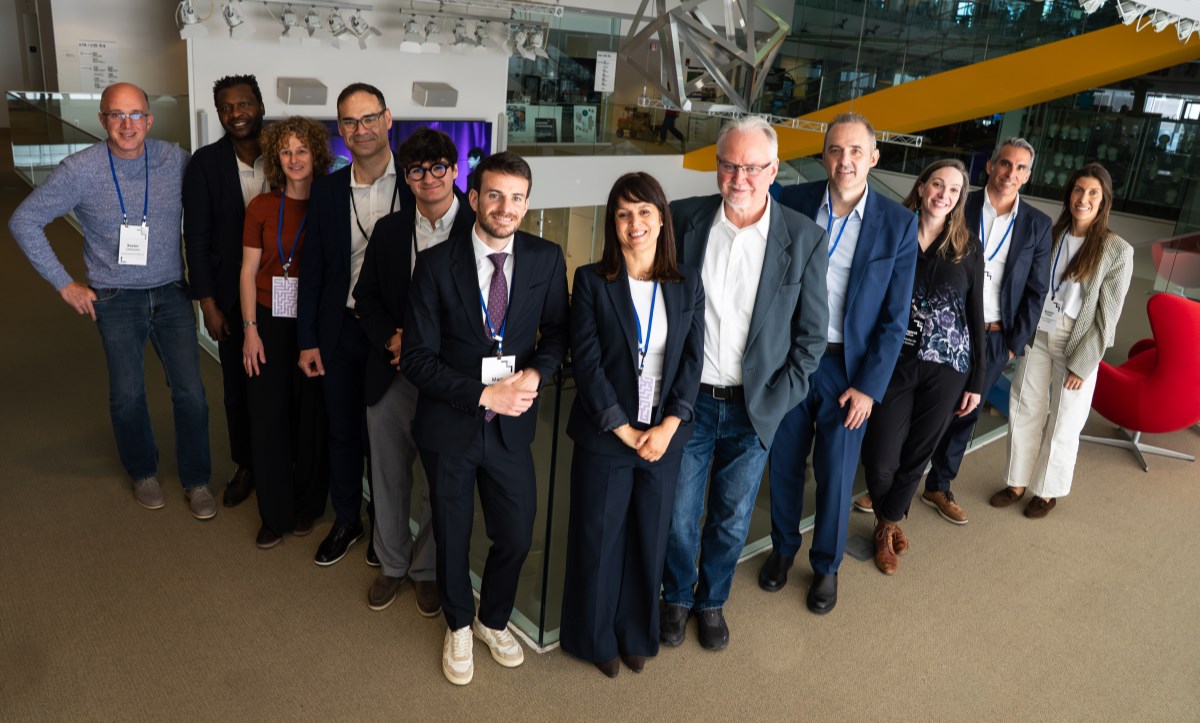
Andorra Research + Innovation (AR+I), in collaboration with Andorra Telecom and the MIT City Science Lab (Massachusetts Institute of Technology), announces the launch of the NODE Urban Impact Fellowship, a one-year research and innovation project aimed at andorran nationals and residents enrolled in programmes related to data science, engineering, urban studies, urban planning, geography, spatial analysis, economics, computer science, computational social sciences, art and design, or similar fields.
Applicants should have prior experience in programming, data analysis, GIS, or research projects. The fellowship will analyse the urban and socioeconomic impact of the NODE building in Andorra la Vella and is linked to the Annexa’t programme.
What is AR+I’s Annexa’t programme?
The Annexa’t programme is a strategic talent initiative led by Andorra Research + Innovation (AR+I) to attract, connect and retain Andorran talent through research, innovation and international opportunities.
The programme strengthens the connection between Andorra and its students, graduates and professionals by creating high-value academic and professional pathways aligned with the country’s future priorities.
Through partnerships with leading institutions, real-world projects and a global network of Andorran talent, Annexa’t positions talent as a key driver of innovation, competitiveness and economic diversification in Andorra.
The NODE building, Andorra Telecom’s new headquarters
The NODE building, the future headquarters of Andorra Telecom, is much more than a corporate building. It will host approximately 150 company employees, the new headquarters of the Carmen Thyssen Museum, digital wellbeing areas and two outdoor public squares.
This infrastructure represents a unique opportunity to study how a project of this kind can influence the highly connected urban dynamics of this area of Andorra la Vella, particularly in terms of mobility, surrounding economic activity, tourism and everyday life in the capital.
What is the NODE Urban Impact Fellowship?
The NODE Urban Impact Fellowship is a call for applications for a 12-month full-time paid research position, expected to start in September 2026. It is open to andorran nationals and residents enrolled in programmes related to data science, engineering, urban studies, urban planning, geography, spatial analysis, economics, computer science, computational social sciences, art and design, or similar fields, with prior experience in programming, data analysis, GIS or research projects.
The position includes a one-year full-time paid research contract and mentoring from researchers at AR+I, Andorra Telecom and MIT.
The project combines urban data analysis, data science and real-world experimentation, with Andorra acting as a living lab for innovation.
The selected candidate will carry out the programme in three stages: first in Andorra with AR+I, in close collaboration with Andorra Telecom; then during an approximately four-month research stay at the MIT City Science Lab in the United States, with travel and accommodation expenses covered; and finally back in Andorra to complete the study.
The NODE Urban Impact Fellowship is a research opportunity to study, rigorously and through data, how this new space transforms the area. The selected candidate will work on dimensions such as:
- Urban mobility and pedestrian flows
- Economic activity in the surrounding area
- Employee commuting patterns and work dynamics
- Organisational performance within NODE
- Tourist appeal and city image
- Customer experience and public interaction with the building
- Sustainability performance and environmental value
- Interaction between citizens, visitors and the built environment
- Contribution to placemaking and city-centre revitalisation
The objective is to translate these impacts into measurable indicators (KPIs) that can guide decision-making both for Andorra Telecom and for the capital, Andorra la Vella.
Programme structure
The contract has a duration of twelve months, with an expected starting date in September 2026, and is structured in four phases:
- Phase 1 – AR+I, Andorra: project design, data analysis and fieldwork.
- Phase 2 – Andorra Telecom: data integration and applied analysis.
- Phase 3 – MIT City Science Lab, USA: advanced modelling and international benchmarking, lasting approximately four months, with travel and accommodation expenses covered.
- Phase 4 – AR+I, Andorra: synthesis, final results and presentation to key stakeholders.
How to apply
- Applications must be sent to recursos-humans@ari.ad and include:
- Curriculum vitae
- Motivation letter
- Short video presentation, maximum three minutes
- Statement of interest, maximum three pages, including the proposed methodological approach
All information is available at this link.